
Exploring the Markets of Egypt: A Guide to Shopping, Souvenirs & Local Culture
Egypt’s markets offer much more than shopping. They are places where travelers can experience local culture, traditional crafts, Egyptian food, spices, jewelry, and everyday life. From the historic streets of Khan El Khalili in Cairo to the colorful souks of Aswan and Luxor, Egyptian markets provide a chance to discover a different side of the country.
Whether you are looking for traditional souvenirs, handmade crafts, spices, perfumes, or Egyptian cotton, exploring a local market can become one of the most memorable experiences of your Egypt vacation.
Why Visit the Markets in Egypt?
Egyptian markets are an important part of the country’s cultural experience. Unlike modern shopping malls, traditional markets are filled with small shops, workshops, street vendors, cafés, and local businesses.
Walking through these markets allows you to see craftsmen at work, smell traditional spices, discover handmade products, and interact with local sellers. Khan El Khalili, for example, has been an important market area in Cairo for more than 600 years.
Markets are also excellent places to find souvenirs that remind you of your trip long after you return home.
1. Khan El Khalili Bazaar in Cairo
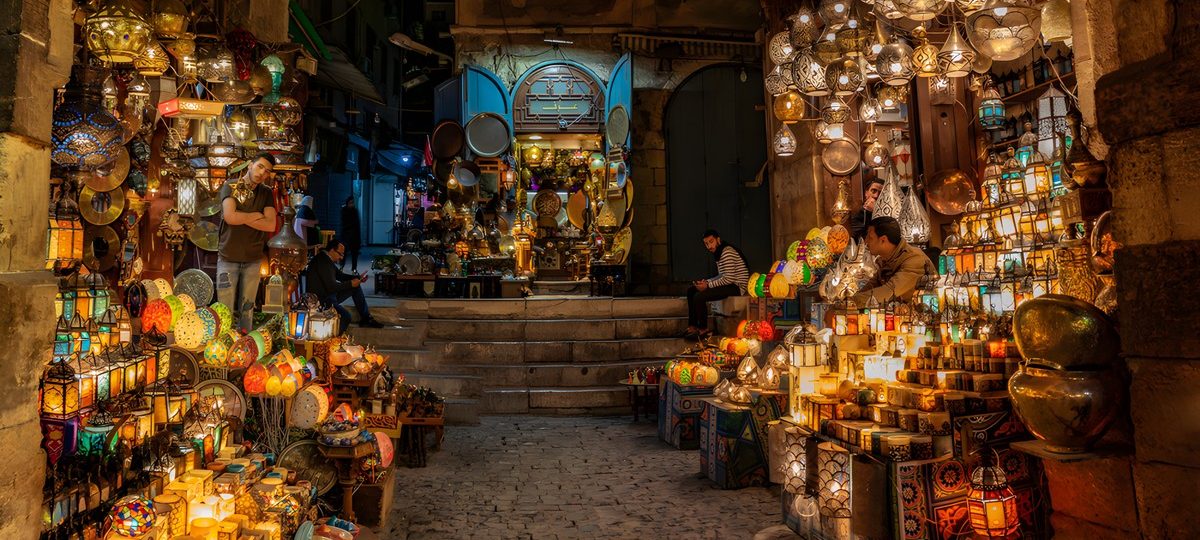
Khan El Khalili is the most famous traditional market in Egypt and one of the highlights of historic Cairo. Located in the Al-Hussein area of Islamic Cairo, the market is known for its narrow streets, traditional shops, workshops, cafés, and colorful displays.
As you walk through the bazaar, you can find everything from handmade lanterns and copperware to jewelry, spices, perfumes, textiles, and souvenirs.
The market is also close to important historic attractions, making it easy to combine shopping with a Cairo sightseeing tour.
What to Buy at Khan El Khalili
Some popular items include:
- Egyptian spices and herbs
- Handmade brass and copper lanterns
- Silver jewelry
- Traditional perfume oils
- Egyptian cotton products
- Handmade textiles
- Decorative ceramics
- Traditional souvenirs
- Scarves and clothing
- Handmade crafts
If you want something personal, you can also look for customized jewelry or a name cartouche.
2. Aswan Souk
The Aswan Souk offers a completely different shopping experience. Located near the Nile Corniche, the market is filled with colorful shops and stalls selling products connected to Upper Egyptian and Nubian culture.
Visitors can browse spices, herbs, clothing, souvenirs, baskets, handicrafts, and other traditional products.
The market is particularly enjoyable in the evening when the streets become lively and the temperatures are more comfortable.
A visit to Aswan Souk can also be combined with a Nubian village visit or a traditional felucca ride on the Nile.
3. Luxor Market
For travelers visiting Luxor, exploring the local market is an easy way to experience everyday Egyptian life beyond the ancient temples.
The market area offers shops selling spices, clothing, souvenirs, perfumes, handicrafts, and traditional products. You can also find small cafés and local food shops along the streets.
A shopping experience in Luxor works especially well after visiting attractions such as Karnak Temple, Luxor Temple, or the Valley of the Kings.
4. Souq El Fustat in Cairo
For travelers interested in traditional Egyptian crafts, Souq El Fustat is another interesting shopping destination in Old Cairo.
The area is associated with traditional handicrafts and offers a more cultural shopping experience. It can be combined with a visit to Coptic Cairo and other historic attractions.
This makes it a good choice for travelers who want to combine shopping, history, and culture in one day.
5. Old Market in Sharm El Sheikh
Travelers staying on the Red Sea can also enjoy traditional shopping.
The Old Market in Sharm El Sheikh offers a lively atmosphere with shops selling souvenirs, spices, clothing, perfumes, handicrafts, and local products.
It is a good place to visit after a day of snorkeling, diving, or relaxing on the Red Sea.
What Souvenirs Should You Buy in Egypt?
Choosing souvenirs can be difficult because Egyptian markets offer so many options.
Egyptian Spices
Spices are some of the easiest souvenirs to take home. Markets offer products such as hibiscus, cumin, coriander, black seed, and other herbs and spice blends.
They are lightweight, affordable, and provide a taste of Egyptian cuisine after your trip.
Egyptian Cotton
Egyptian cotton is famous around the world. Look for scarves, clothing, towels, tablecloths, and other textile products.
When buying cotton products, check the quality and ask about the material before purchasing.
Lanterns and Copperware
Traditional Egyptian lanterns, known as fanous, are popular decorative souvenirs. Handmade copper and brass products can also make beautiful gifts.
Look carefully at the craftsmanship. Handmade pieces may have small differences that show they were produced by hand.
Perfume Oils
Traditional perfume shops sell a wide variety of fragrance oils and blends. Jasmine, floral, and oriental scents are particularly popular with visitors.
If you are buying perfume oils, ask the seller about the ingredients and whether the product is pure or blended.
Jewelry
Silver and gold jewelry are popular purchases in Egyptian markets. You can also find traditional designs inspired by ancient Egyptian symbols.
If you are buying valuable jewelry, choose an established seller and check the item’s hallmark and receipt.
Papyrus
Papyrus paintings are another popular Egyptian souvenir. If authentic papyrus is important to you, buy from a reputable specialist and ask about the material and production process.
Is Bargaining Common in Egyptian Markets?
Yes. Bargaining is common in many traditional tourist markets in Egypt, particularly for souvenirs and handicrafts.
However, bargaining should be friendly and respectful. The goal is to agree on a price that both you and the seller consider reasonable.
A simple approach is to:
- Ask for the price.
- Compare similar products.
- Make a reasonable offer.
- Stay polite.
- Decide whether you really want the item.
- Agree on the final price before paying.
Comparing prices is useful because different shops may offer the same type of product at different prices.
Tips for Shopping in Egyptian Markets
A few simple tips can make your shopping experience easier.
Take Your Time
Do not feel pressured to buy the first item you see. Walk around the market and compare different shops.
Carry Small Amounts of Cash
Cash can be useful in smaller traditional shops, especially when purchasing inexpensive souvenirs.
Check the Quality
Look closely at handmade products before buying them. Check stitching, materials, metalwork, colors, and overall craftsmanship.
Ask About the Price Before Buying
Always confirm the price before accepting an item or service.
Be Careful With “Antiques”
If a seller claims that an item is an ancient Egyptian antiquity, be cautious. Genuine archaeological antiquities are subject to strict laws, and tourist-market “antique” items are often modern reproductions.
Keep Your Belongings Secure
Traditional markets can become crowded. Keep your phone, wallet, passport, and other valuables secure while walking through busy streets.
Egyptian Markets Are More Than Shopping
One of the best reasons to visit an Egyptian market is the atmosphere.
You may hear craftsmen working with metal, smell freshly ground spices, see colorful textiles hanging outside shops, and watch locals going about their daily activities.
Traditional cafés provide another part of the experience. After shopping, you can stop for Egyptian tea or coffee and watch the busy streets around you.
This combination of shopping, food, crafts, history, and local interaction makes Egyptian markets an important part of the travel experience.
Best Time to Visit Egyptian Markets
The best time depends on the destination and season. During the hotter months, mornings and evenings are usually more comfortable for walking through outdoor markets.
In cooler months, you can enjoy markets throughout much of the day.
For a more atmospheric experience, visiting in the late afternoon or evening can be especially enjoyable when markets become lively and many shops are illuminated.
Combine Market Visits With Sightseeing
A market visit can easily be included in a wider Egypt itinerary.
In Cairo, combine Khan El Khalili with the Citadel, Islamic Cairo, Al-Azhar, or Coptic Cairo.
In Luxor, combine local shopping with visits to Karnak Temple and Luxor Temple.
In Aswan, explore the souk after visiting Philae Temple or enjoying a felucca ride.
On the Red Sea, visit a traditional market after a day of snorkeling or diving.
This approach allows you to experience both Egypt’s famous attractions and its everyday culture.
Final Thoughts
Exploring the markets of Egypt is one of the best ways to experience the country’s culture beyond its famous pyramids and temples. From the historic atmosphere of Khan El Khalili to the colorful Aswan Souk and local markets in Luxor and the Red Sea resorts, each destination offers something different.
You can shop for spices, jewelry, perfumes, Egyptian cotton, lanterns, handicrafts, and traditional souvenirs while discovering the energy and hospitality of Egyptian markets.
Most importantly, do not rush. Walk through the narrow streets, talk to local sellers, enjoy the atmosphere, and take time to discover something special. A market visit is not simply a shopping trip—it is an opportunity to experience Egyptian culture, craftsmanship, and everyday life.